Tiered Reward Systems Reshaping Participation in Hybrid Wagering Platforms
Written by Alex Neumann · Oct 6, 2026
Tiered Reward Systems Reshaping Participation in Hybrid Wagering Platforms
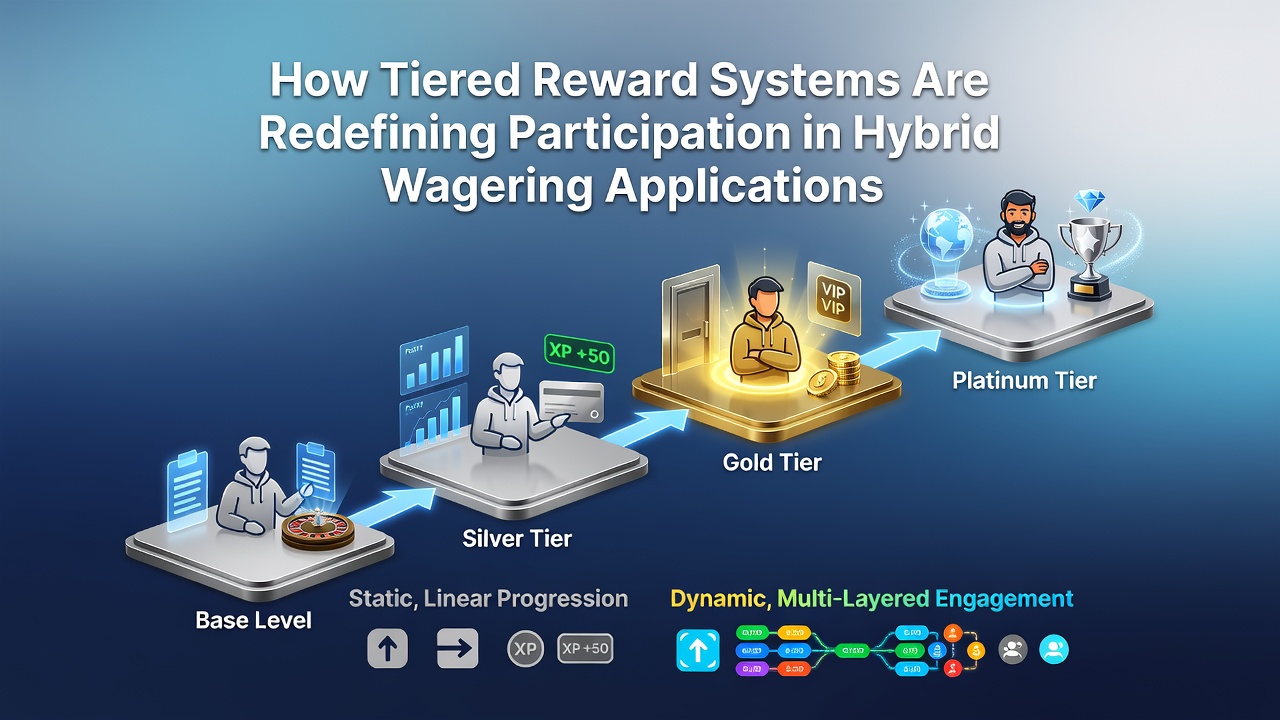
Hybrid wagering applications that combine casino games with sports betting features have adopted tiered reward systems as a core mechanism for structuring user progression, and these frameworks assign benefits across multiple levels based on activity volume, frequency, and diversity of play. Data from industry tracking services indicate that such systems often include entry-level perks like bonus credits or free spins that scale upward to premium tiers offering cashback percentages, exclusive event access, and personalized promotions.
Mechanics Behind Tiered Progression Models
Users advance through tiers by accumulating points from wagers placed across both slots and live sports markets, while algorithms calculate eligibility using rolling windows that reset monthly or quarterly depending on the platform. Research from academic studies on digital engagement shows that point multipliers for combined casino and sports activity encourage cross-category participation, and operators report higher session durations when users target the next threshold. Figures from October 2026 reveal that platforms employing five or six distinct tiers experienced average user lifetime value increases of 18 to 24 percent compared with flat reward structures, according to aggregated platform analytics.
Shifts in User Behavior Patterns
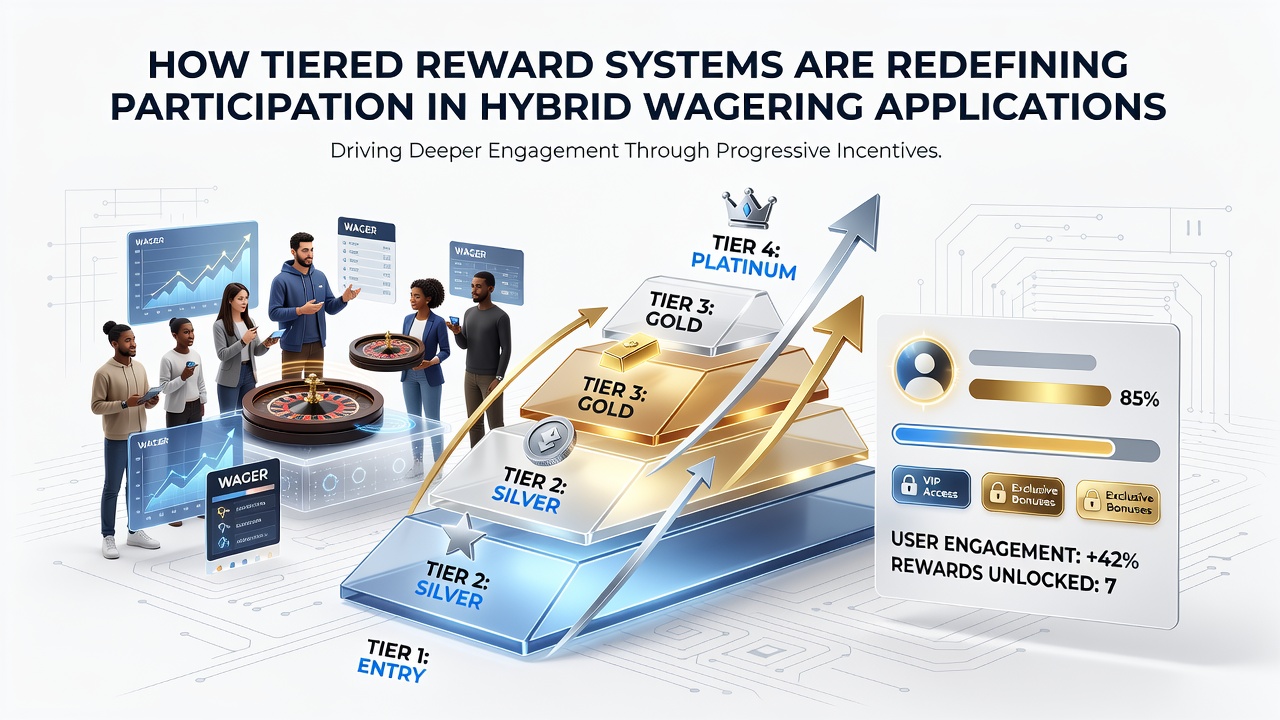
Observers note that tiered systems prompt players to diversify their betting activity rather than concentrate on single game types, and this diversification appears in metrics that track weekly wager distribution across verticals. Those who reach mid-tier status often maintain consistent deposit schedules to preserve status benefits, whereas entry-level participants show elevated churn rates when progression feels distant. A report issued by the Australian Gambling Research Centre highlights that integrated apps using visible progress bars and milestone notifications recorded a 31 percent lift in monthly active users during the first half of 2026.
What's interesting is how loyalty metrics respond when rewards emphasize experiential elements such as tournament invitations or merchandise over pure monetary returns, and data indicates sustained engagement when users perceive attainable advancement within realistic timeframes. Platforms that adjust tier thresholds seasonally based on user cohort analysis maintain steadier retention curves throughout the year.
Regulatory and Market Context in Late 2026
State-level oversight bodies in the United States continue to monitor how reward structures intersect with responsible gambling tools, and several jurisdictions now require clear disclosure of tier qualification criteria within app interfaces. The Nevada Gaming Control Board published updated compliance guidelines in September 2026 that emphasize transparent point expiration policies and equitable access across player segments. Meanwhile, Canadian provincial regulators have begun reviewing similar frameworks to ensure tier benefits do not inadvertently promote excessive play among newer users.
Industry organizations such as the European Gaming and Betting Association have compiled comparative data showing that hybrid platforms operating in multiple markets adapt tier structures to local preferences, and these adaptations include region-specific bonus categories tied to popular sports leagues or casino game themes. Such localization efforts correlate with higher completion rates for tier advancement in targeted demographics.
Evidence from Platform Performance Data
One analysis of major hybrid operators conducted through the third quarter of 2026 found that users who crossed into the second or third tier within their first 60 days posted 42 percent more total handle than those remaining at base level, and this gap widened further when platforms introduced streak bonuses for consecutive active days. External verification from research institutions confirms that visible tier status symbols within social or community features can amplify participation through peer comparison effects, though operators vary in how prominently they display these indicators.
Additional findings from the same period indicate that hybrid applications integrating real-time progress trackers alongside reward previews reduced drop-off at tier boundaries, and operators testing dynamic tier resets tied to calendar events reported measurable upticks in cross-vertical wagering volume during promotional windows.
Conclusion
Tiered reward systems continue to influence how participants interact with hybrid wagering applications by establishing clear pathways for status advancement and differentiated benefits. Available data through October 2026 demonstrate measurable effects on retention, cross-category activity, and overall platform metrics, while regulatory frameworks evolve to address transparency and consumer protection concerns across jurisdictions. Ongoing platform adjustments reflect responses to these performance patterns and oversight requirements.