Navigating Financial Pathways in Online Entertainment Platforms
Written by Ellis Schmidt · Nov 17, 2026

Navigating Financial Pathways in Online Entertainment Platforms
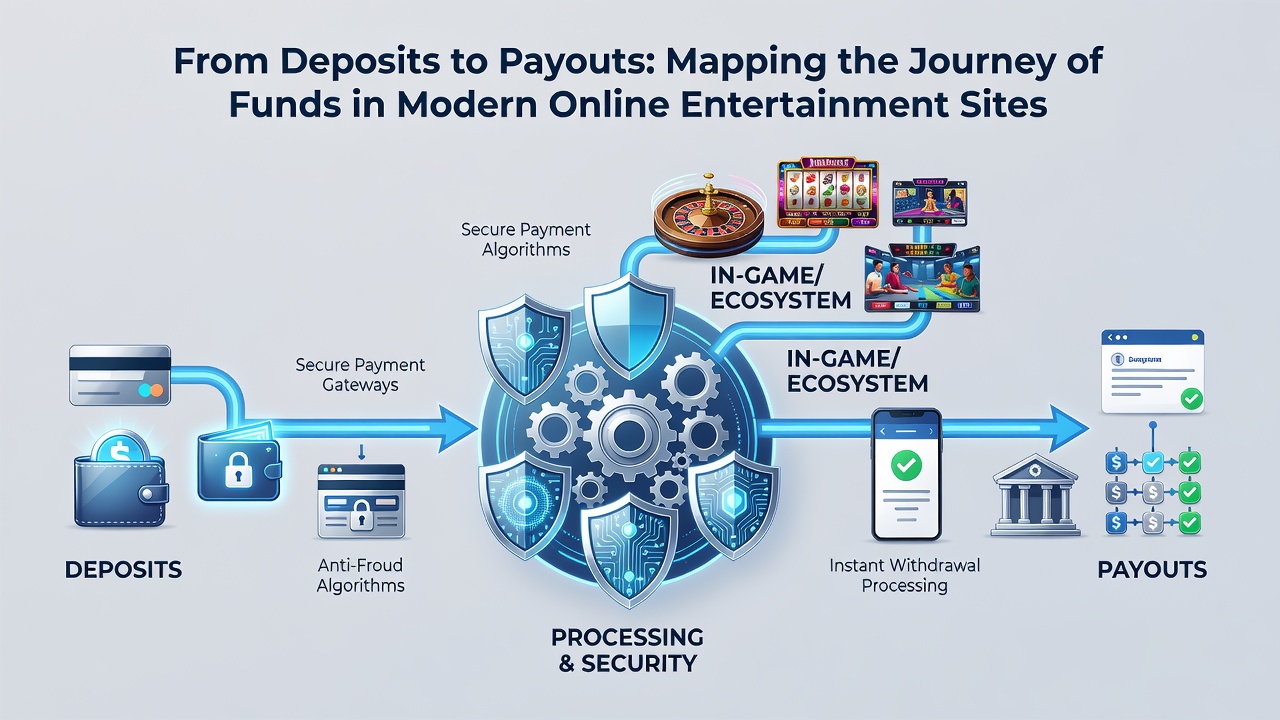
Online entertainment platforms process billions in transactions each year, and the path from a player's initial deposit to eventual payout involves multiple verification layers, payment processors, and regulatory checks that vary by jurisdiction. Experts tracking these systems note that the journey begins when a user selects a funding method, whether credit card, e-wallet, or bank transfer, and continues through automated security protocols before funds reach the gaming account.
Payment gateways handle the first stage by encrypting details and routing requests to issuing banks, while platforms apply their own fraud detection algorithms that cross-reference user history with transaction patterns. Data from industry reports indicates that most deposits clear within seconds to minutes, yet delays occur when additional identity verification is triggered during peak activity periods or for larger amounts.
Deposit Mechanisms and Initial Processing
Modern platforms integrate dozens of payment options tailored to different regions, and operators must comply with local banking rules that dictate which methods are permitted. In many cases, cryptocurrency options have gained traction because they bypass traditional banking delays, though they still require conversion steps before credits appear in player balances. Researchers following transaction data observe that e-wallets often provide the quickest deposit confirmation, whereas direct bank wires can take one to three business days depending on the financial institutions involved.
Once funds arrive, platforms segregate them into player accounts that remain separate from operational reserves, a requirement enforced by licensing authorities to protect user balances. This separation ensures that even during high-volume periods, individual deposits stay traceable and available for withdrawal requests.
Account Funding and Compliance Checks
After deposits land, automated systems run know-your-customer protocols that compare provided documents against databases maintained by regulatory bodies. Figures released in November 2026 by Canadian provincial regulators highlighted how enhanced verification reduced chargeback rates across licensed sites, while similar programs in Australian jurisdictions showed comparable improvements in transaction security. These checks can pause fund availability temporarily, but they also prevent unauthorized access and money laundering attempts that might otherwise disrupt platform operations.
Bonuses and promotional credits sometimes attach to deposits at this stage, yet operators apply wagering requirements that track separate ledgers until conditions are met. Observers note that these layered accounting systems help platforms manage liability while giving players clear records of both real and bonus balances.
Game Play and Balance Adjustments
During active sessions, wins and losses update balances in real time through backend servers that log every transaction for audit purposes. Regulatory frameworks in places such as New Jersey and several European markets require these logs to be retained for set periods, enabling authorities to review disputes or investigate anomalies. The continuous reconciliation process means that player balances reflect the latest outcomes, while reserve funds held by the platform cover potential payouts without commingling operational capital.
High-volume players sometimes trigger additional monitoring when activity patterns deviate from established norms, prompting manual reviews that can extend processing times for subsequent withdrawals. Industry analyses reveal that transparent communication during these reviews helps maintain user trust and reduces escalation to external regulators.
Withdrawal Requests and Final Payouts
When players initiate cashouts, the same verification layers applied at deposit often repeat, and platforms must confirm that no active disputes or bonus conditions remain unresolved. Approved requests move to payment processors that handle bank transfers, card refunds, or digital wallet credits, with timelines ranging from instant for certain e-wallets to several business days for traditional methods. Data shared by state gaming commissions in the United States shows that average payout speeds have improved over recent years as platforms adopt faster reconciliation tools.
Tax reporting obligations in certain regions require platforms to document large disbursements and forward information to revenue authorities, adding another checkpoint before funds leave the system. Those who've examined these workflows point out that the final leg of the journey often determines overall user satisfaction, since delays at this stage can overshadow earlier efficiencies.
Conclusion
The complete cycle of deposits through to payouts relies on coordinated systems that balance speed, security, and regulatory compliance across multiple jurisdictions. Continued advancements in payment technology and data verification continue to shape how these platforms manage fund flows while meeting oversight standards from diverse regulatory sources.